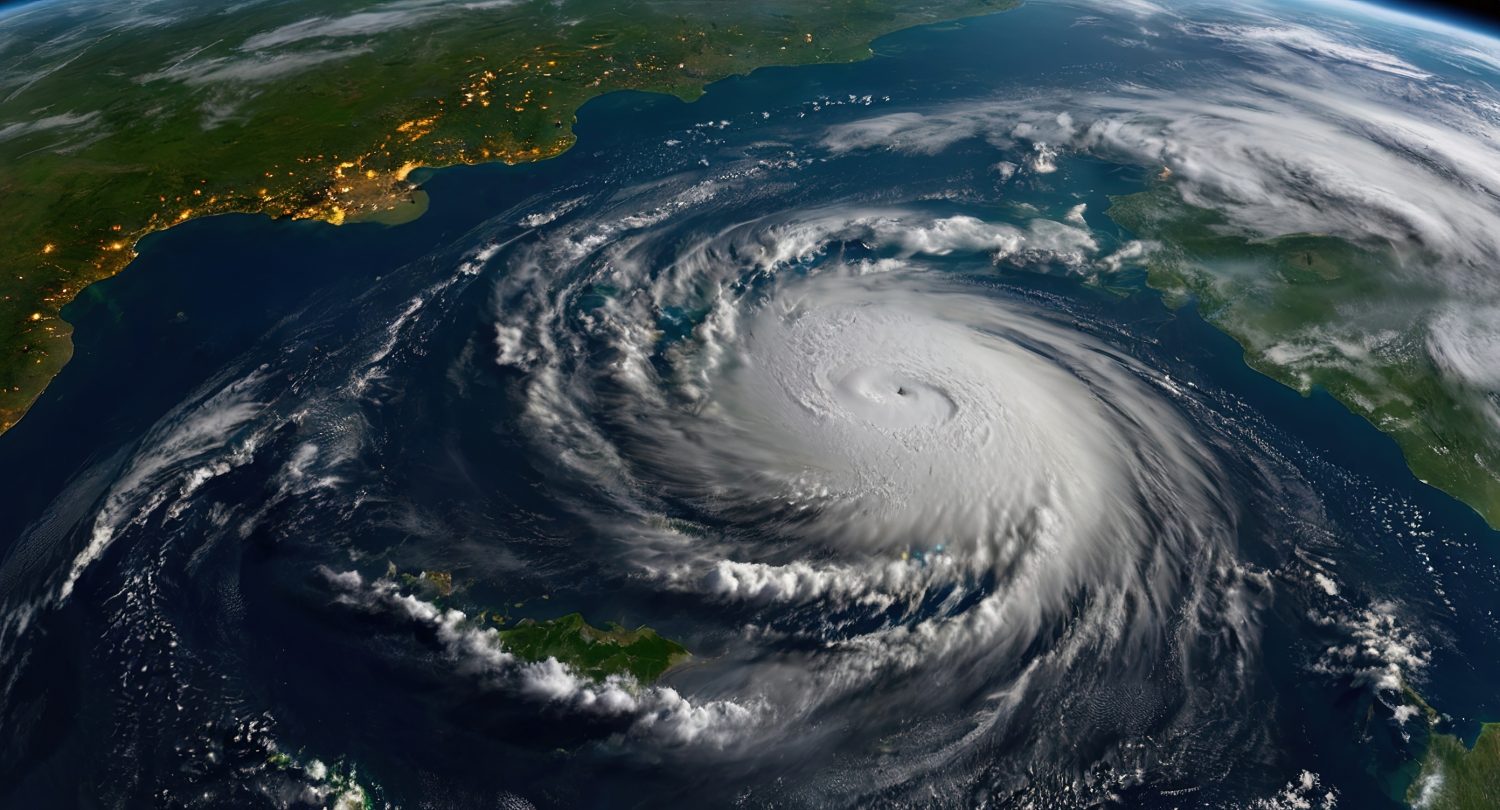
Hurricanes are among nature’s most powerful and destructive forces. As scientists warn that the remainder of the 2025 Atlantic hurricane season is likely to be more active than normal, it’s worth revisiting some of the worst hurricanes ever recorded, both to honor those affected and to remind ourselves of what can happen when the elements unleash their full force. With that in mind, here are the top 10 most disastrous hurricanes of all time.
- The Great Galveston Hurricane (1900): Struck Galveston, Texas, in September 1900. Considered the deadliest U.S. hurricane, it killed between 6,000 and 12,000 people, with most estimates around 8,000. A massive storm surge wiped out much of the island.
- Okeechobee Hurricane (1928): Also known as San Felipe Segundo, this storm hit Puerto Rico, the Bahamas, and Florida. Flooding around Lake Okeechobee caused catastrophic loss of life when levees failed, leading to over 4,000 deaths.
- Hurricane Katrina (2005): One of the costliest hurricanes in U.S. history, it caused over 1,800 deaths and more than $100 billion in damages. Levee breaches in New Orleans led to massive flooding and a long humanitarian crisis.
- Hurricane Maria (2017): Struck Puerto Rico and Dominica in September 2017. Thousands of deaths, a collapsed power grid, and a prolonged humanitarian emergency made it one of the deadliest and most devastating storms in modern history.
- Hurricane Andrew (1992): A Category 5 storm that slammed southern Florida and parts of the Bahamas and Louisiana. It destroyed tens of thousands of homes and was the costliest hurricane in U.S. history at the time.
- Hurricane Gilbert (1988): A storm of extraordinary intensity, it ravaged Jamaica, Mexico’s Yucatán Peninsula, and parts of the Gulf. Gilbert caused immense destruction of crops, homes, and infrastructure.
- The Great Hurricane of 1780: The deadliest Atlantic hurricane on record, it struck the Caribbean and killed an estimated 20,000 to 30,000 people. Records are incomplete, but its destruction was unparalleled for its time.
- Hurricane Mitch (1998): Devastated Central America, especially Honduras and Nicaragua. Extreme rainfall caused flooding and landslides, killing more than 11,000 people and displacing hundreds of thousands.
- Hurricane Sandy (2012): Known as “Superstorm Sandy,” it hit the Caribbean and the U.S. Northeast, including New York and New Jersey. Although not the strongest by wind, its massive storm surge and flooding caused hundreds of deaths and tens of billions in damage.
- Hurricane Ian (2022): Struck Cuba and Florida with destructive winds and storm surge. It was one of the costliest hurricanes in recent years, with widespread infrastructure loss and significant economic impact.
Meteorologists warn that the remainder of the 2025 Atlantic hurricane season still has a higher-than-normal chance of producing more storms than average, including several major hurricanes. Projections call for 13 to 19 named storms, of which 6 to 10 could become hurricanes and up to 5 may reach major hurricane strength. Warmer sea surface temperatures and favorable climate conditions are key drivers.
As we face the peak of the 2025 season, the lessons of the past can guide us in reducing risks and protecting lives. The .earth web domain is ideal for enhancing your brands and communicating your mission of creating a safer planet through platforms for social and environmental activism.
To learn more about the .earth domain, visit Voices.Earth. In addition, many organizations and individuals are sharing their voices about the benefits of a .earth domain in our Voices.Earth podcast series.