For years, Silicon Valley technologists have promoted the idea that humanity’s long-term future lies beyond Earth. Elon Musk has been one of the loudest voices behind this narrative, arguing that humans must become a “multi-planetary species” by colonizing Mars.
However, as space ambitions evolve, the narrative continues to shift because life on another planet is simply not feasible.
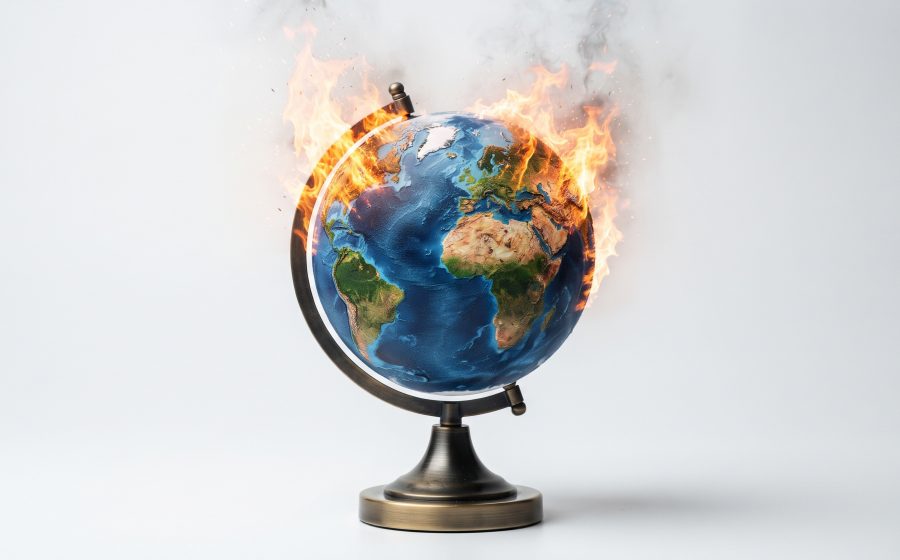
According to a recent Time Magazine article, Musk’s focus is now turned toward building a city on the Moon instead of Mars. Whether the target is Mars, the Moon, or some other distant planet, the underlying assumption is that humanity can escape life on planet Earth, as it burns down.
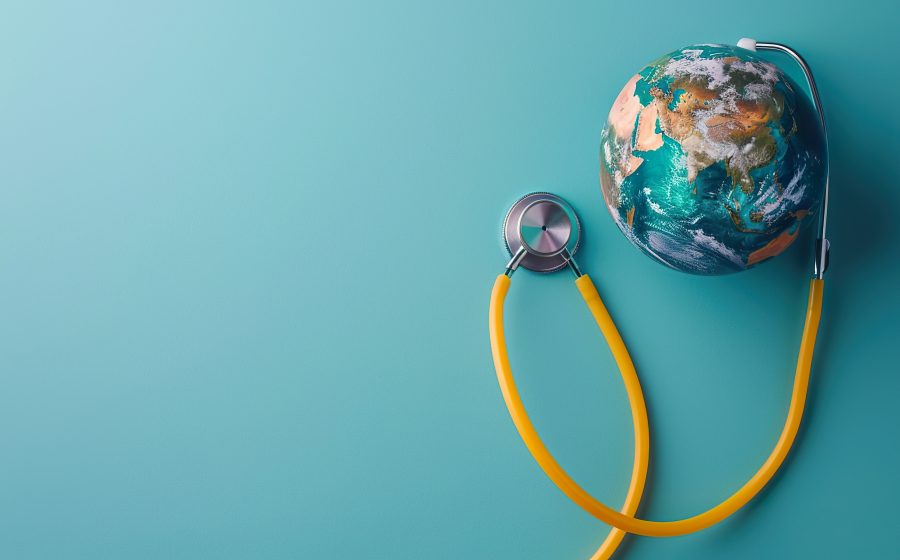
Frankly, we all know that this is pure science fiction, and now’s the critical time to focus on healing Earth for the future of all humanity.
Let’s Really Face It: There Is No Planet B
Astronomers and planetary scientists have consistently warned that no nearby celestial body offers anything close to the conditions required to sustain human life.
Mars has an extremely thin atmosphere, freezing temperatures, and no breathable oxygen. The Moon is even more hostile, lacking both atmosphere and protection from radiation. Establishing permanent human settlements in either environment would require enormous technological systems just to keep people alive, and even then only in small, fragile habitats.
In other words, these worlds cannot replace Earth, and could only support a limited number of explorers or researchers.
In a 2020 Voices.Earth podcast with Astronomers for Planet Earth, a group of scientists working to educate the public about the importance of protecting our home planet, we discussed how there is currently no realistic path toward relocating large populations of humans beyond Earth.
The Truth: Earth Is a System Where Everything Is Connected
What makes Earth unique is not just that it supports life, but that it supports an entire interconnected system of life.
As highlighted in this European Space Agency (ESA) blog post, changes in one part of the planet impact other regions. For example, a warming ocean affects storms, fisheries, and coastal communities. Deforestation affects rainfall patterns and biodiversity. Melting polar ice alters ocean circulation and global climate.
This interconnectedness is precisely what makes Earth habitable, and what makes it irreplaceable.
A Critical Moment for the Planet
While tech leaders speculate about distant planets, climate scientists are warning that the next few years could be decisive for Earth’s future.
As we recently highlighted, our planet is at a critical tipping point and several major Earth systems may be approaching thresholds that could trigger rapid and irreversible changes. In addition, extreme weather is also intensifying, as we covered in our recent Top 10 Climate Catastrophes to Watch in 2026 blog post.
One Planet. One Chance.
That is why the .earth web domain will be highlighting the theme “One Planet. One Chance.” as part of our Earth Day 2026 campaign.
Humanity does not have a backup planet waiting nearby. The future of all species depends on the health of Earth’s climate systems, ecosystems, and natural resources. Saving this planet will require cooperation, innovation, and a recognition that our fate is shared.
Across the .earth web domain, thousands of organizations and individuals are already working toward that future. From scientists and educators to technologists, artists, and community leaders, the growing .earth tribe of more than 40,000 members is helping build awareness, share knowledge, and advance solutions rooted in planetary stewardship.
Stay tuned for more details around our Earth Day 2026 pricing promotion. In the meantime, if your organization is working to safeguard the future of our planet, the .earth domain offers a trusted platform to share your mission and connect with a global community committed to long-term thinking and responsibility.
To learn more about securing your .earth domain, visit Voices.Earth. You can also hear directly from organizations and individuals making an impact in our Voices.Earth podcast series.