Key Takeaways
- Rising geopolitical tensions are driving oil price volatility, reinforcing how deeply the global economy remains tied to fossil fuels.
- The history of major oil spills highlights the long-term environmental risks of that dependence, with lasting impacts on ecosystems, wildlife, and communities.
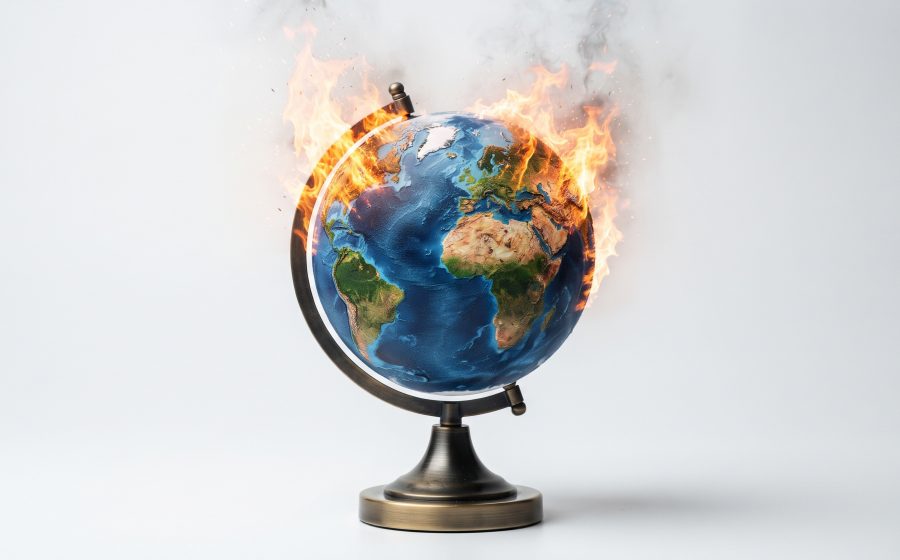
- Together, these trends reflect a broader pattern of planetary imbalance, where interconnected systems are under increasing pressure and require more visible, coordinated action.
As tensions rise in the Middle East, oil prices have surged past $100 a barrel following the announcement of a U.S. blockade of Iran. This latest spike is a reminder of how tightly global systems remain tied to oil, not just economically, but politically and environmentally.
Moments like this bring renewed attention to a long and often overlooked history. One marked not just by volatility in price, but by environmental catastrophe.
A History Written in Spills
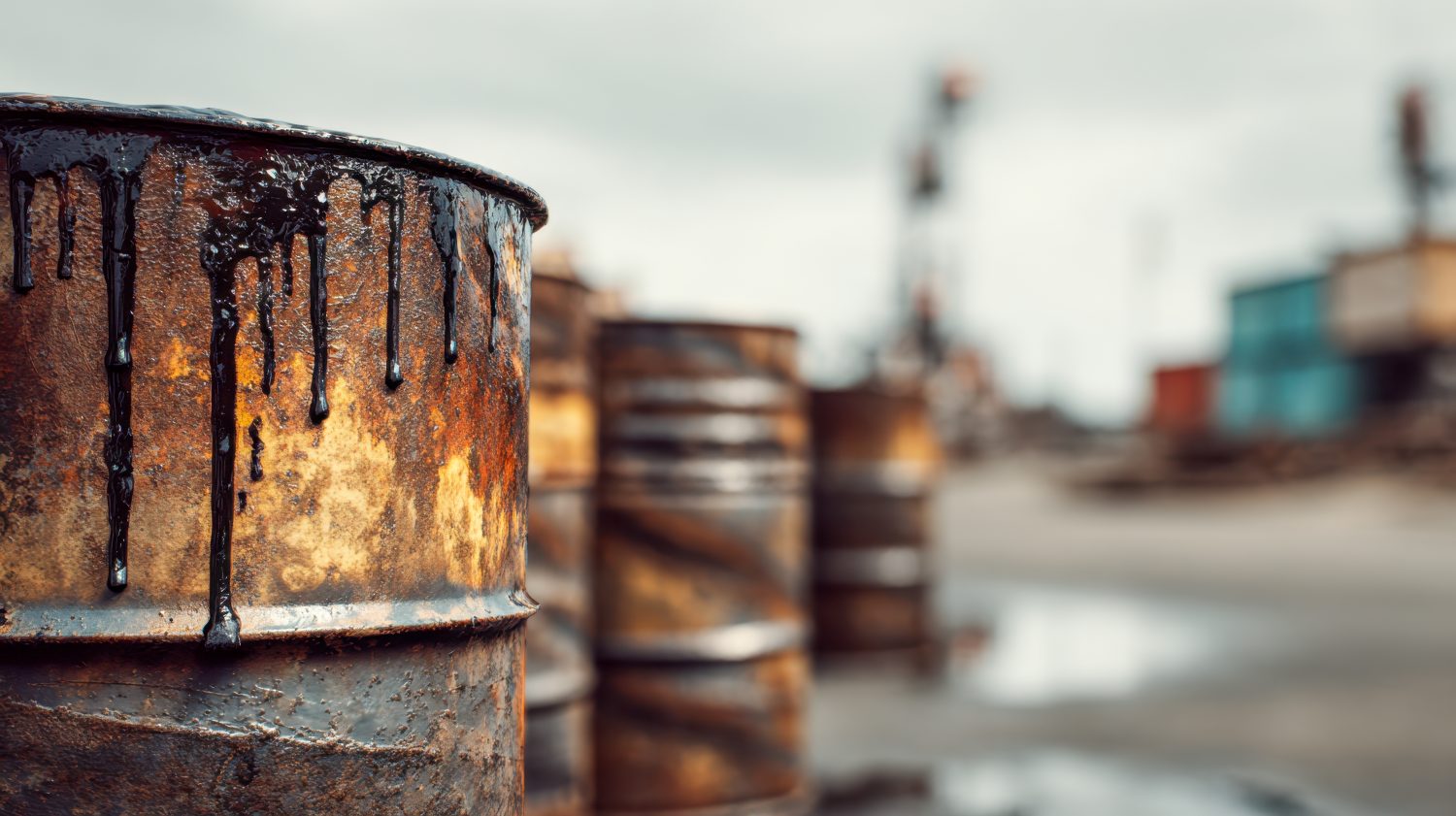
Over the past century, oil has powered global growth, but it has also left behind some of the most damaging environmental disasters ever recorded.
From tanker accidents to offshore drilling failures, the world has witnessed massive oil spills that have devastated ecosystems, harmed wildlife, and disrupted entire communities.
Some of the most significant include:
- The Gulf War oil spill, one of the largest in history, releasing millions of barrels into the Persian Gulf.
- Deepwater Horizon in 2010, which exposed the risks of offshore drilling at scale.
- The Exxon Valdez spill in Alaska, which became a defining moment for environmental awareness in the United States.
- The Ixtoc I well blowout in the Gulf of Mexico, which spilled oil for nearly a year.
- The Atlantic Empress tanker collision, one of the largest ship-based spills ever recorded.
Each of these events left lasting scars, not just on the environment, but on how we think about energy, risk, and responsibility.
The Real Cost of Oil
Oil spills are not isolated incidents. They are part of a broader system that carries inherent risk at every stage, from extraction to transport to consumption.
When accidents happen, the consequences are widespread:
- Marine ecosystems are disrupted for decades.
- Coastal communities face long-term economic damage.
- Wildlife populations are permanently affected.
- Cleanup efforts often fall short of full recovery.
These disasters highlight a deeper issue. Our continued reliance on oil ties environmental health directly to industrial activity, making the system both fragile and difficult to manage.
A Planet Under Pressure
We have written extensively about how the planet is becoming more volatile and less predictable. From extreme weather events to shifting ecosystems, the signs are increasingly visible. Oil disasters are another layer of that story.
They show how environmental risk is not only driven by climate change, but also by the systems we have built to sustain modern life. When those systems fail, the impacts can be immediate and severe. In many ways, these events foreshadow the broader instability we are now seeing across the planet.
One Planet. One Domain.
As we head into Earth Day 2026, the One Planet. One Domain. campaign is already gaining momentum.
Even ahead of the official April 22 launch, several registrar partners have begun rolling out early promotions, making it easier for organizations to align their digital identity with their mission at a critical moment for the planet.
Participating registrars include:
- GoDaddy – godaddy.earth
- Ledl.net – https://www.domaintechnik.at/
- NetIM – https://www.netim.com/en/domain-name/earth-domain
- Porkbun – https://porkbun.com/tld/earth
Looking Ahead
The recent surge in oil prices is a reminder that the world remains deeply connected to fossil fuels. At the same time, the history of oil disasters shows the long-term consequences of that dependence. Together, they point to a simple but important reality.
The systems we rely on are under pressure, and the risks are becoming harder to ignore.
Because whether it is price shocks, environmental disasters, or climate instability, the pattern is the same. The planet is out of balance, and how we respond will shape what comes next.
Stay tuned for more details around our Earth Day 2026 pricing promotion. To learn more about securing your .earth domain, visit Voices.Earth. You can also hear directly from organizations and individuals making an impact in our Voices.Earth podcast series.