Key Takeaways
- Wildfires are becoming larger, hotter, and more destructive, fueled by rising temperatures, prolonged drought, and shifting weather patterns.
- Some of the worst wildfires in history have burned millions of acres and destroyed entire communities, leaving long-term environmental and economic damage.
- Europe is now warming nearly twice as fast as the global average, reinforcing concerns that climate instability is accelerating worldwide.
- The growing intensity of wildfire seasons is another sign that the Earth system is increasingly out of balance.
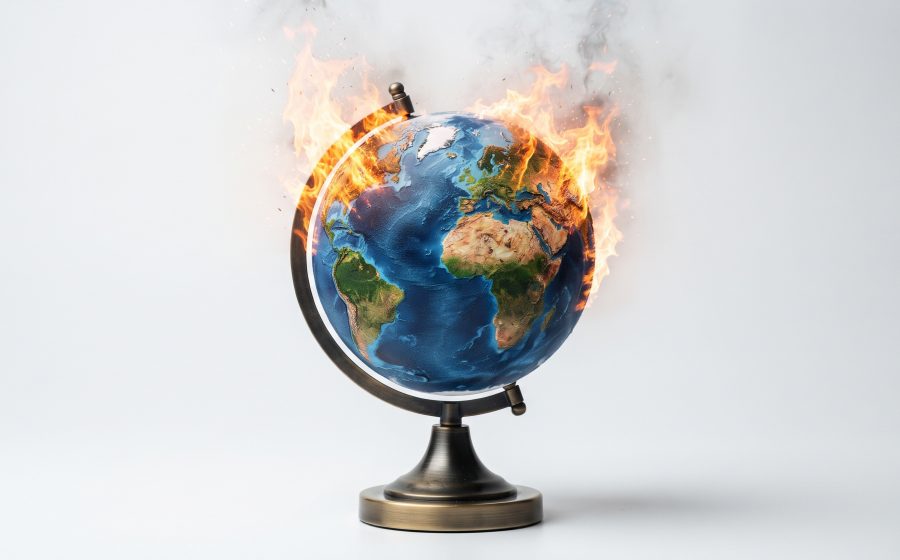
As Europe experiences warming nearly twice as fast as the global average, scientists are warning that the planet is entering a more volatile climate era. According to recent reporting tied to Copernicus climate data, warming across Europe is accelerating faster than expected, increasing the likelihood of extreme heat, drought, and wildfire conditions.
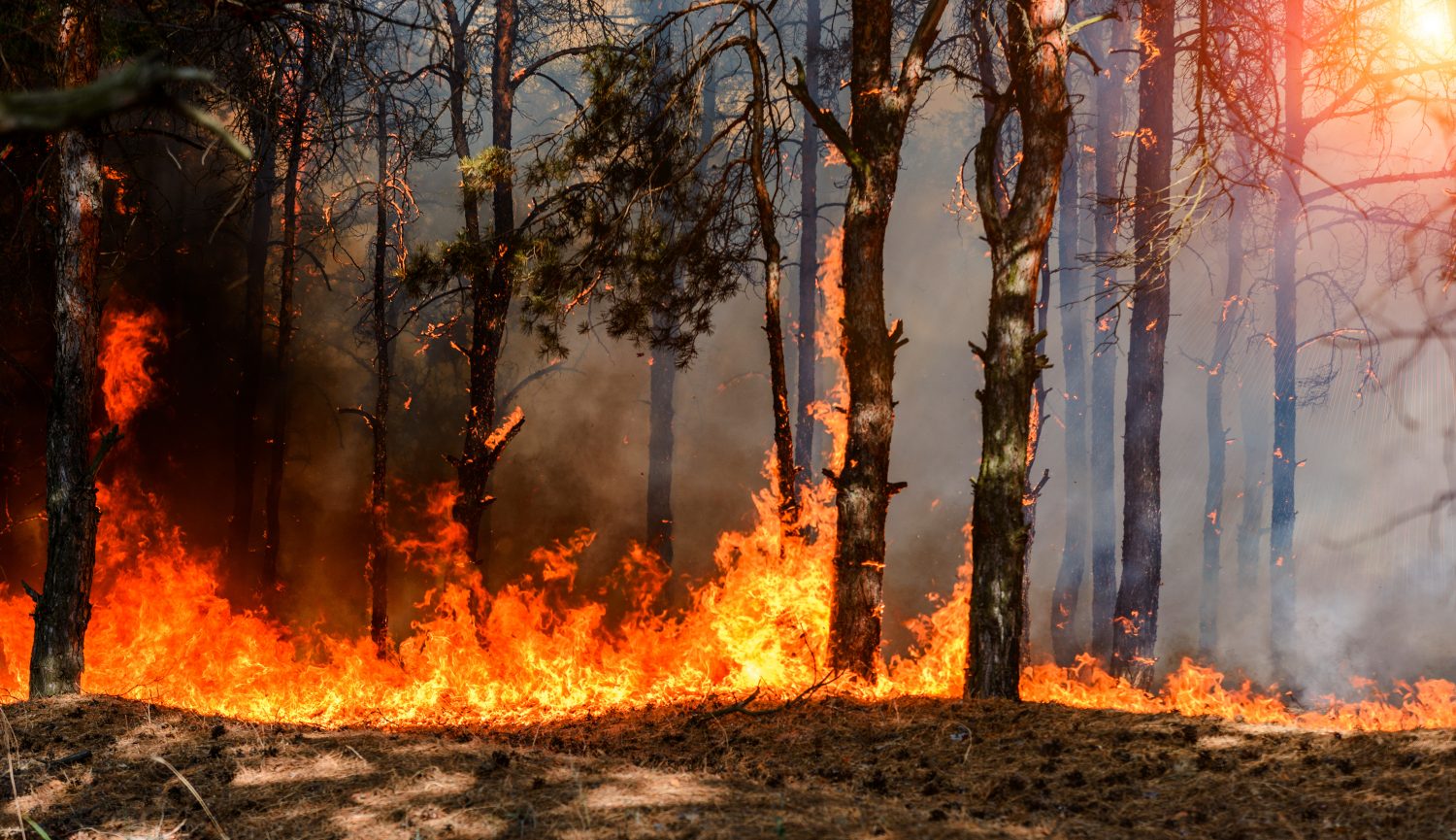
Unfortunately, these changes are not isolated. Around the world, rising temperatures and prolonged dry conditions are causing larger and more destructive wildfires. Fire seasons are lasting longer, burning hotter, and becoming increasingly difficult to control.
The Largest Wildfires in U.S. History
Some of the largest wildfires ever recorded in the United States reveal the scale of destruction these events can cause.
- The Great Fire of 1910: Often called the “Big Burn,” this fire swept through Idaho and Montana in just two days, burning roughly 3 million acres and destroying multiple towns.
- The North and South Carolina Fire (1898): An estimated 3 million acres burned across the Carolinas during one of the largest fire events in U.S. history.
- The Great Michigan Fire (1871): Occurring during the same period as the Peshtigo Fire, this blaze consumed more than 2.5 million acres.
- The August Complex Fire (2020): Burning more than one million acres in California, the August Complex became the largest wildfire in California’s recorded history.
- The Smokehouse Creek Fire (2024): This Texas wildfire burned more than one million acres, becoming the largest wildfire ever recorded in the state.
The Deadliest Wildfires
Wildfires are measured not only by acreage, but by the human lives and communities they impact.
- Peshtigo Fire (1871, Wisconsin): Considered the deadliest wildfire in U.S. history, the Peshtigo Fire killed between 1,152 and 2,500 people.
- Cloquet and Moose Lake Fires (1918): These fires in Minnesota and Wisconsin killed more than 450 people.
- Great Hinckley Fire (1894): This Minnesota wildfire resulted in more than 400 fatalities.
- Camp Fire (2018, California): The Camp Fire became one of the most destructive wildfires in modern U.S. history, killing 85 people and destroying nearly 19,000 structures.
- Lahaina Fire (2023, Hawaii): The Lahaina wildfire devastated the historic town and became one of the deadliest U.S. fires in recent decades.
Why Wildfires Are Becoming More Extreme
Wildfires have always existed, but climate change is increasing the conditions that allow them to spread more aggressively.
Hotter temperatures dry out vegetation faster. Drought conditions weaken ecosystems and reduce moisture in forests and grasslands. Stronger winds and shifting weather patterns make fires harder to predict and contain.
At the same time, expanding development into fire-prone regions has increased the number of people and communities exposed to wildfire risk.
Together, these factors are creating a new reality in which wildfire seasons are becoming longer, more destructive, and more expensive.
One Planet. One Domain.
As the Earth Day 2026 campaign continues, the One Planet. One Domain. message is resonating with organizations and communities around the world.
More organizations are recognizing that how they show up online matters. A .earth domain signals purpose, long-term thinking, and alignment with a global community focused on resilience and planetary stewardship.
Registrar Partners Taking Part in the Earth Day 2026 Promotion
A growing number of registrar partners are participating in this year’s Earth Day campaign, including:
- GoDaddy (Global)
- Gonbei Domain (Japan)
- Ledl.net (Europe)
- Netim.com (Global)
- Openprovider (Global)
- OVH (France/Global)
- OwnRegistrar (Global)
- Porkbun (Global)
- COREHub (Europe)
- CentralNic Reseller (Global)
- Lexsynergy (Global)
- DomainCostClub.com (US) (Global)
- Realtime Register B.V.
These partners are helping to bring the Earth Day 2026 promotion to a global audience, making it easier for new members of the .earth web domain tribe to secure a domain and align their mission with a trusted digital identity.
As the Earth Day campaign continues, the .earth web domain will continue to support organizations, creators, and communities working to restore balance, build resilience, and shape a more sustainable future.
If your organization is ready to join a global community committed to the planet, now is the perfect moment to join the .earth domain tribe!
To learn more and get started, visit Voices.Earth, and check out the latest Voices.Earth podcast series for inspiring stories from our community.