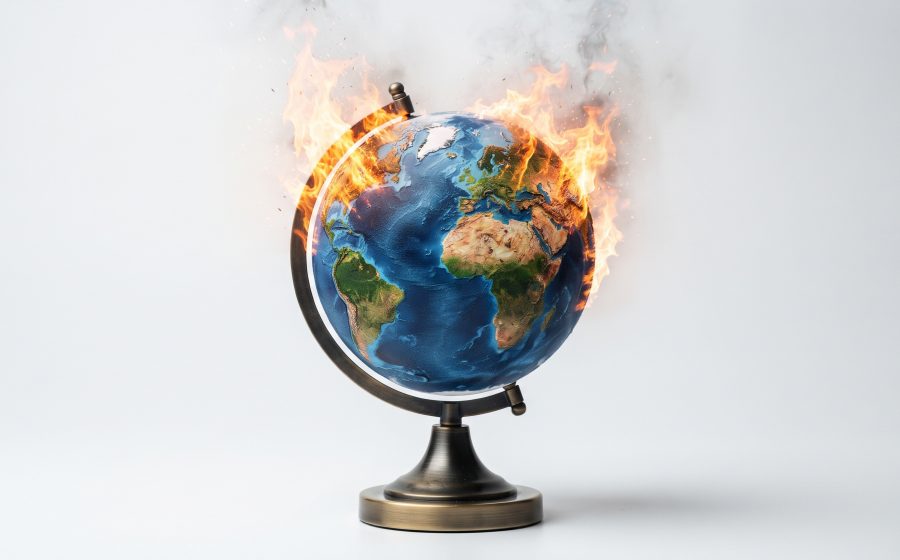

Scientists warn that accelerating biodiversity loss threatens the natural systems supporting human life, from food production and clean water to medicine and protection against climate disasters.
Key Takeaways
- Scientists warn that human activity is driving species loss at rates far above natural levels, raising concerns about a sixth mass extinction.
- Monitored vertebrate wildlife populations have declined by an average of 73 percent since 1970.
- Biodiversity loss threatens food security, clean water, medicine and natural protection against extreme weather.
- Climate change and biodiversity loss reinforce one another, increasing pressure on ecosystems and communities.
- Conservation successes demonstrate that protecting and restoring nature can reverse some of the damage.
Are We Living Through Earth’s Sixth Mass Extinction?
Earth has experienced five mass extinction events over its 4.5-billion-year history, including the catastrophe that wiped out the dinosaurs approximately 66 million years ago. Now, scientists warn that human activity may be driving a sixth.
Unlike previous mass extinctions, which resulted from natural events, today’s biodiversity crisis is being accelerated by deforestation, pollution, intensive agriculture, habitat destruction and climate change.
According to a recent Deutsche Welle report, monitored vertebrate wildlife populations have declined by an average of 73 percent over the past 52 years, while approximately one million animal and plant species face extinction.
Scientists continue to debate whether the formal threshold for a sixth mass extinction has been reached, but the accelerating loss of species is already affecting the ecosystems that support human civilization.
What Does the Sixth Mass Extinction Mean for Humans?
Biodiversity provides essential services that most people rarely consider until something goes wrong.
More than 75 percent of global food crop types depend at least partly on animal pollination. As bees, butterflies and other pollinators decline, agricultural production becomes increasingly vulnerable.
Wetlands naturally filter water, absorb floodwaters and protect communities from storms. Their disappearance can increase water treatment costs while leaving populated areas more exposed to flooding.
The pharmaceutical industry also depends heavily on nature. Many medicines originate from natural compounds, and scientists worry that disappearing species could take potential medical discoveries with them.
Even oysters play an important role. An adult oyster can filter up to 50 gallons of water daily, while oyster reefs provide habitat for marine life and help protect shorelines. An estimated 85 percent of wild oyster reefs have already disappeared worldwide.
These losses illustrate how the disappearance of individual species can undermine entire ecosystems, with consequences that eventually reach human communities.
Could Biodiversity Loss Make Climate Disasters Worse?
Earlier this month, Voices.Earth explored whether humanity is prepared for climate change’s “Big One,” an extraordinary weather disaster capable of overwhelming infrastructure and emergency response systems. The accelerating loss of biodiversity adds another dimension to that concern.
Healthy forests absorb carbon and regulate rainfall. Wetlands reduce flooding, while mangroves and coastal ecosystems provide natural protection against storm surges. When these systems deteriorate, communities can become more vulnerable to the extreme weather events climate scientists increasingly anticipate.
Climate change also accelerates biodiversity loss through rising temperatures, shifting habitats, drought and increasingly severe weather. Together, these pressures can create a dangerous cycle of environmental decline.
Can We Still Prevent a Sixth Mass Extinction?
Despite the alarming statistics, conservation efforts have demonstrated that species and ecosystems can recover.
Green sea turtle populations have rebounded following protections for nesting beaches and changes to fishing practices. Sea otters have also recovered in parts of the Pacific, helping restore kelp forests by controlling sea urchin populations.
These successes offer valuable lessons as countries gather for the COP17 United Nations biodiversity summit in Armenia to advance international commitments to protect and restore nature.
Progress also depends on public understanding and support. Earlier this year, Voices.Earth examined the extinction burst behind climate denial, exploring how resistance to environmental action can intensify even as evidence of ecological damage becomes harder to ignore.
The biodiversity crisis makes the consequences of delaying action increasingly difficult to dismiss.
One Planet. One Domain.
The possibility of a sixth mass extinction raises profound questions about humanity’s relationship with nature and the future of the ecosystems that sustain us. Protecting biodiversity will require stronger conservation policies, habitat restoration, climate action and a broader commitment to preserving the natural world.
Now is the time to fight back in the name of Earth. By joining the .earth domain tribe, individuals, businesses and environmental organizations can become part of a global community working to protect biodiversity and build a more sustainable future.
To learn more and get started, visit Voices.Earth, and check out the latest Voices.Earth podcast series for inspiring stories from our community.