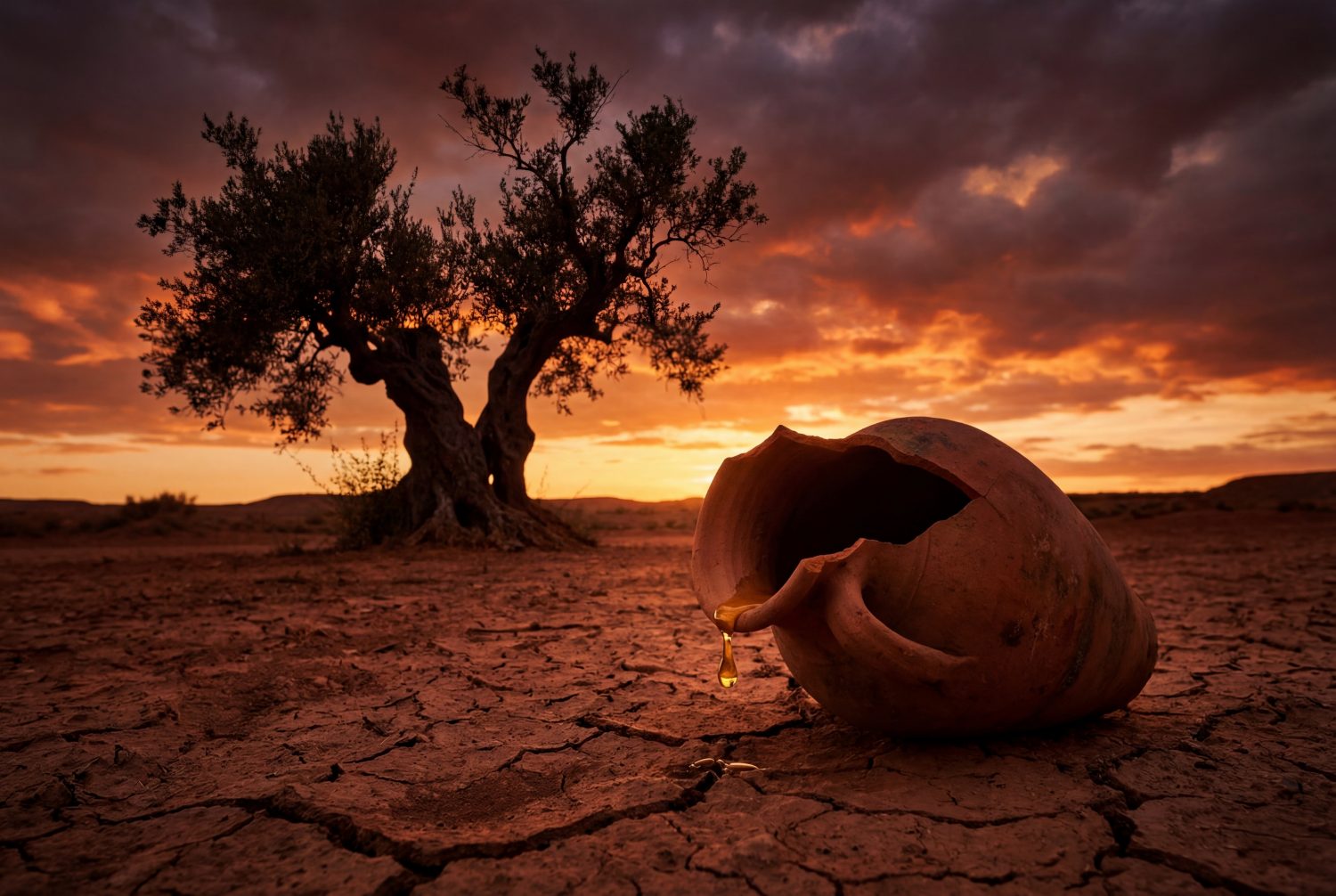
Olive oil has long symbolized Mediterranean heritage, health, and resilience. It is also the most consumed vegetable oil on the planet because it’s frankly amazing. However, one of the world’s most iconic agricultural products is being reshaped by climate change right now.
Recent reporting highlighted by Assitol, the Italian Association of the Edible Oil Industry, shows how climate volatility is increasingly defining the performance of the olive oil sector. Unpredictable rainfall, prolonged drought, rising temperatures, and extreme weather are disrupting harvest cycles, reducing yields, and driving price instability across major producing regions.
For an industry rooted in specific climates and landscapes, these shifts are structural and will have lasting impacts.
A Crop Deeply Tied to Climate
While olive trees are hardy, they depend on balanced climate conditions. They require winter chill hours, stable spring temperatures, and sufficient water during key growth phases. When that balance breaks down, flowering declines, fruit set weakens, and oil quality suffers.
As the world’s largest producer of olive oil, Spain has faced sharp production drops tied to heat and water scarcity. Italy and Greece have seen similar volatility. The result has been lower output and rising global prices.
What the Research Suggests
A 2022 study examining olive oil production systems confirmed how sensitive yields are to temperature spikes and shifting rainfall patterns. Heat stress during flowering and fruit development significantly reduces productivity.
The research also pointed to adaptation strategies, including efficient irrigation, climate resilient cultivars, and regenerative land management that improves soil health and moisture retention. While risks are rising, proactive adaptation can help stabilize production.
More Than a Market Story
Olive groves also support biodiversity, rural economies, and cultural identity across the Mediterranean. As climate pressures intensify, farmers face difficult decisions about whether to adapt, relocate, or abandon traditional groves.
The geography of olive oil production could shift in the coming decades if warming trends continue unchecked.
How the .earth Tribe Is Responding
Across the .earth web domain tribe, organizations are working at the intersection of agriculture and climate resilience when it comes to olive oil. Here are some examples:
- Colea.Earth turns olive oil waste into regenerative biofertilizers using fungi. Learn more here.
- Inspira.Earth produces organic extra virgin olive oil. Learn more here.
- SlowFactory.Earth explores environmental design, including climate resilient approaches to olive oil production. Learn more here.
These efforts reflect a broader commitment within the .earth community to long term thinking and regenerative solutions.
Climate change is already shaping the olive oil sector, but it does not have to define its future. Smarter land management, water conservation, and ecosystem restoration can protect both yield and quality.
More than 40,000 organizations and individuals across the .earth domain are working toward solutions grounded in science and stewardship. If your organization is addressing climate, agriculture, or sustainability, the .earth domain offers a trusted platform to share your mission and connect with a global community committed to protecting the systems that sustain us.
To learn more about securing your .earth domain, visit Voices.Earth. You can also hear directly from organizations and individuals making an impact in our Voices.Earth podcast series.