A new “Planet Health Check 2025” report from the Potsdam Institute for Climate Impact Research delivers a sobering conclusion about the current state of Earth’s stability and resilience.
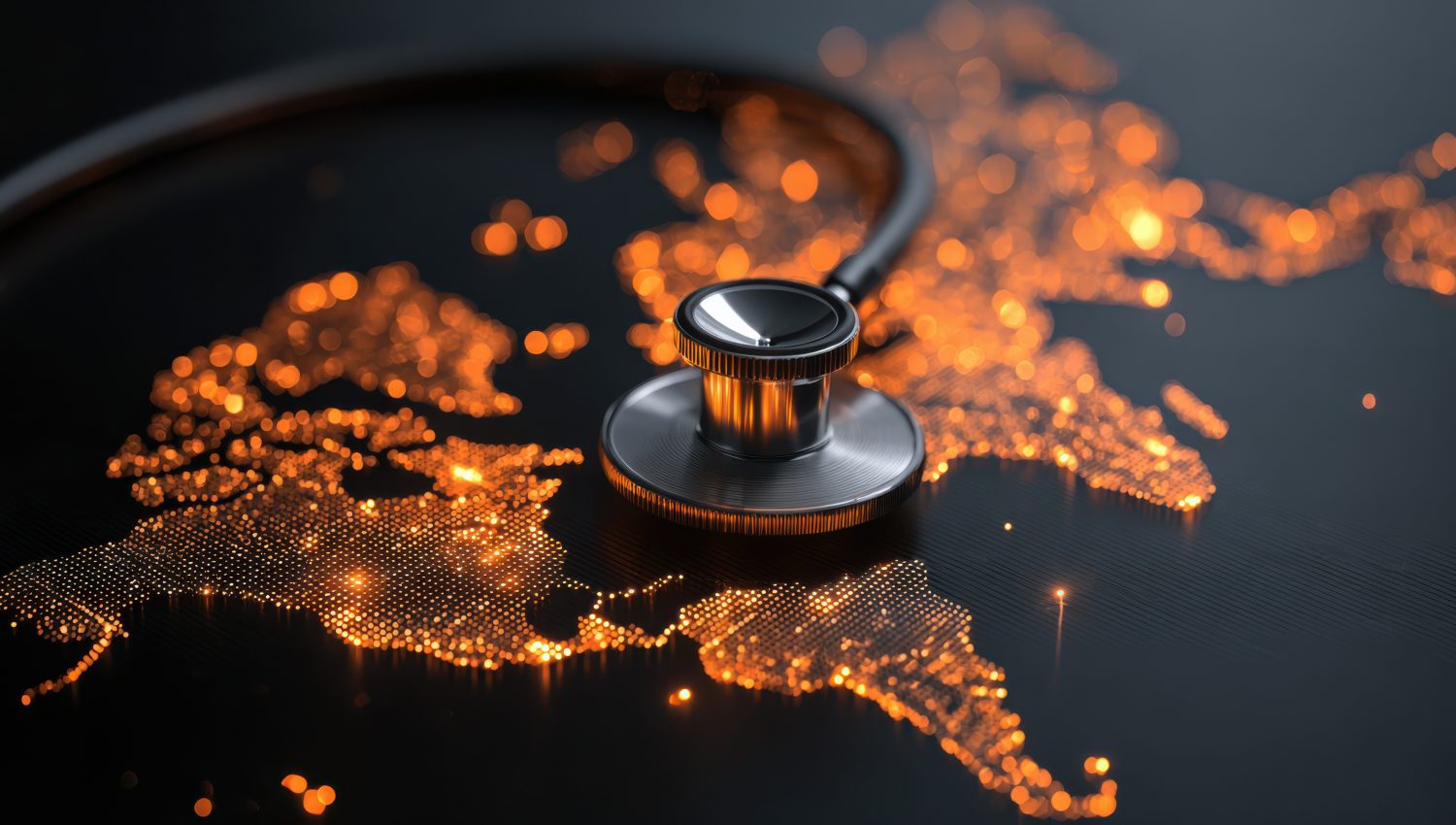
According to researchers, humanity has now exceeded seven of the nine planetary boundaries that keep the planet safe and habitable. If Earth were a hospital patient, scientists say it would likely be in the intensive care unit.
The report compares the state of the planet to a body showing severe stress indicators. High inflammation markers, poor lung function, declining liver values, and other system failures. Each one is dangerous on its own, but together they create compounding risks.
The message is clear about how planetary systems that once kept human life secure are becoming overstressed at the same time.
The concept of planetary boundaries was first introduced in 2009 to identify the limits within which humanity can thrive. At the time, three boundaries had already been exceeded. By 2015 that number rose to four. By 2023 it had climbed to six. Today, the new assessment finds that seven boundaries have been breached, signaling a rising level of global ecological risk.
- Biosphere in Code Red: The biosphere is in the most critical condition with species loss and ecosystem degradation moving far outside the safe operating zone. Natural ecosystems continue to shrink, and biodiversity is collapsing in many regions. Scientists say there are no signs of improvement yet.
- Nutrient Cycles Severely Disrupted: Human use of nitrogen and phosphorus has doubled over the last century through industrial agriculture and fertilizer application. These excess nutrients wash into rivers, lakes, and coastlines, creating oxygen depleted dead zones and damaging ecosystems on land and in water. Researchers classify this boundary as Code Red.
- New Substances Creating Unknown Long-Term Risks: More than 350,000 synthetic substances are now circulating through the planet, many of them untested. Microplastics, chemical pollutants, and forever chemicals like PFAS are showing up everywhere from drinking water to coastal sea foam. Their long-term impacts remain largely unknown.
- Climate Change Pushing Earth Toward the Danger Zone: Greenhouse gas concentrations have reached record highs. Radiative forcing, which reflects how much extra heat is trapped in the atmosphere, has crossed into a high-risk zone. Scientists say the acceleration of warming remains one of the most serious threats to planetary stability.
- Freshwater and Land Systems Under Pressure: Large portions of the world now face extreme deviations in soil moisture, water runoff, and dryness due to agriculture, industry, and climate change. Forest cover has dropped below the safe threshold and continues to decline.
- Oceans Absorbing the Impact: Oceans have absorbed more than one quarter of human produced CO2, which is driving acidification and making it harder for marine life to survive. Combined with warming seas, nutrient runoff, and pollution, this creates cascading effects on ocean ecosystems.
- A Glimmer of Good News: Two boundaries remain within the safe zone. Air pollution continues to decline in many regions, and the ozone layer is slowly recovering thanks to strong global cooperation and decisive policy action. Scientists say this proves that protective action works, and that saving Earth’s life support systems is still possible.
Across the .earth domain tribe, many organizations are advancing solutions that strengthen planetary health, restore ecosystems, and drive accountability. Here are some leading voices:
- Alter.Earth: This organization provides clear educational content that helps people understand planetary boundaries and the science behind Earth’s health. Learn more here.
- Codes.Earth: This organization supports sustainability data and digital cooperation to improve global monitoring of environmental systems and climate impacts. Learn more here.
- Aclima.Earth: Pioneering next generation air quality mapping, this organization helps communities and policymakers make informed decisions that protect public health and the environment. Learn more here.
- GroundSwell.Earth: This advocacy group activates community-based climate action and resilience projects that support local ecosystems and vulnerable populations. Learn more here.
These organizations are part of a growing global tribe using the .earth domain to call for solutions grounded in science, justice, and collective responsibility.
As we mark ten years of the .earth domain, we are celebrating more than 40,000 organizations and individuals who are using the online world to push for accountability, transparency, and environmental responsibility. We invite you to join our anniversary promotion and become part of the global .earth domain tribe.
To learn more about securing your .earth domain, visit Voices.Earth. You can also hear directly from organizations and individuals making an impact in our Voices.Earth podcast series.