
What Scientists Expect If Current Trends Continue (according to ChatGPT)
While no one can predict the exact timing or location of future disasters, climate science does point to the types of impacts that are becoming more likely as the climate of our planet continues to change.
To help frame these expectations for 2026, we consulted with ChatGPT to synthesize current research, observed trends, known vulnerabilities, and compounding environmental pressures that scientists are tracking worldwide. Here are the top 10 climate catastrophes to watch in 2026:
- Record Breaking Heat Waves: Extreme heat is expected to remain the deadliest climate threat in 2026. Longer and more intense heat waves are likely across southern Europe, South Asia, the Middle East, and parts of the United States, especially in urban areas where cooling access is limited. Heat stress, power outages, and rising mortality will continue to challenge public health systems.
- Rapidly Intensifying Hurricanes and Cyclones: Warmer ocean temperatures increase the risk of storms strengthening quickly, sometimes just before landfall. In 2026, rapidly intensifying hurricanes in the Atlantic and Western Pacific oceans could leave coastal communities with little time to prepare, increasing damage from wind, flooding, and storm surge.
- Catastrophic Flooding from Extreme Rainfall: Heavier rainfall over shorter periods is becoming more common. Flash floods are likely to intensify in cities and river basins where infrastructure was not designed for today’s rainfall extremes. These events often cause widespread damage with little warning.
- Expanding and More Destructive Wildfires: Wildfire seasons are growing longer and more intense across North America, Southern Europe, South America, and Australia. Higher temperatures, prolonged drought, and dry vegetation increase the likelihood of fast-moving fires that threaten communities and degrade air quality far beyond fire zones.
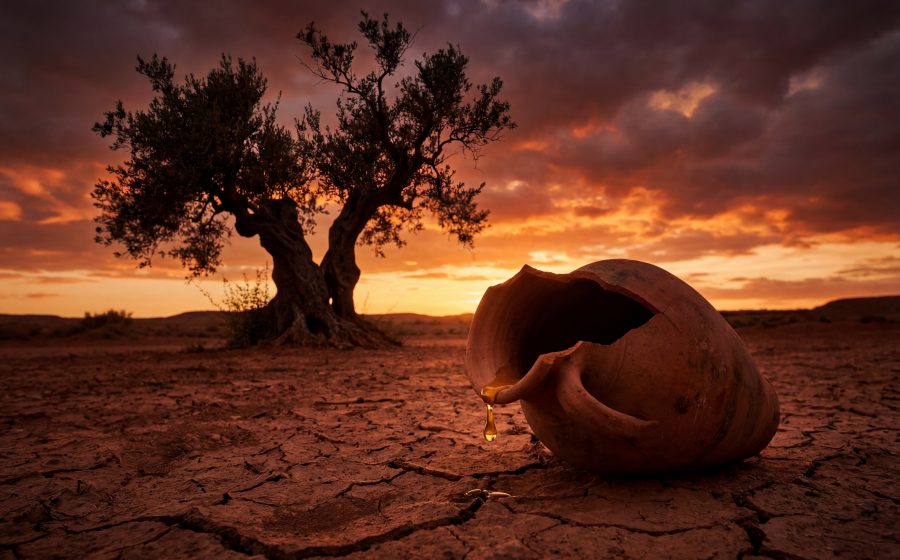
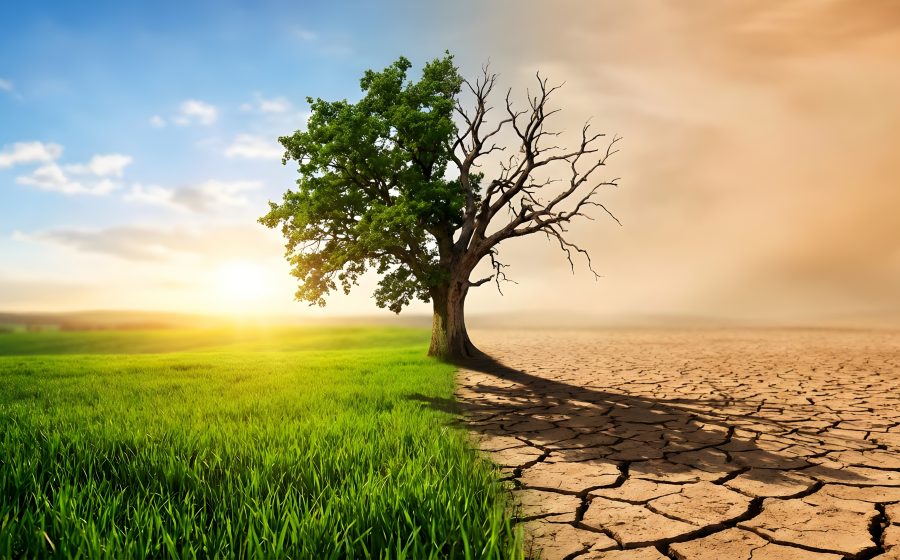
- Prolonged Drought and Water Scarcity: Water stress is expected to worsen in regions already facing shortages, including parts of Africa, the Mediterranean, the western United States, and South America. In 2026, drought may increasingly collide with food production, urban demand, and energy generation.
- Coastal Flooding and Accelerating Erosion: Sea level rise continues regardless of short-term emissions changes. In 2026, higher baseline sea levels are likely to worsen coastal flooding during storms and high tides, eroding shorelines and threatening homes, infrastructure, and freshwater supplies.
- Food System Disruptions: Climate extremes are increasingly affecting agriculture through heat stress, drought, floods, and shifting growing seasons. In 2026, crop losses and supply chain disruptions could contribute to rising food prices and increased food insecurity in vulnerable regions.
- Dangerous Air Quality Events: Wildfire smoke, urban pollution, and heat driven chemical reactions in the atmosphere are expected to worsen air quality in many regions. Poor air quality is becoming a major public health concern, particularly for children, older adults, and people with respiratory conditions.
- Ecosystem Collapse and Biodiversity Loss: Rising temperatures, land use changes, and pollution continue to push ecosystems beyond their limits. Coral reefs, forests, and freshwater systems face growing stress, increasing the risk of irreversible biodiversity loss that undermines natural climate buffers.
- Compound Climate Disasters: One of the most concerning trends heading into 2026 is the rise of compound events. Heat followed by wildfire, drought followed by flooding, or storms striking regions already weakened by previous disasters can overwhelm emergency response systems and slow recovery.
Why These Predictions Matter
These projections are not meant to suggest inevitability, but urgency. The severity of climate catastrophes in 2026 will depend heavily on preparedness, infrastructure investment, emissions reductions, and community resilience. Where adaptation measures are in place, impacts can be reduced. Where they are absent, the human and economic costs are likely to rise.
As we approach 2026, the question is not whether climate-related disasters will occur, but how prepared we are to deal with them.
As we mark ten years of the .earth domain, we are celebrating a global tribe of more than 40,000 organizations and individuals using the online world to raise awareness, share solutions, and push for accountability. We invite you to join the .earth domain anniversary promotion and become part of the global .earth tribe working toward a more resilient future.
To learn more about securing your .earth domain, visit Voices.Earth. You can also hear directly from organizations and individuals making an impact in our Voices.Earth podcast series.