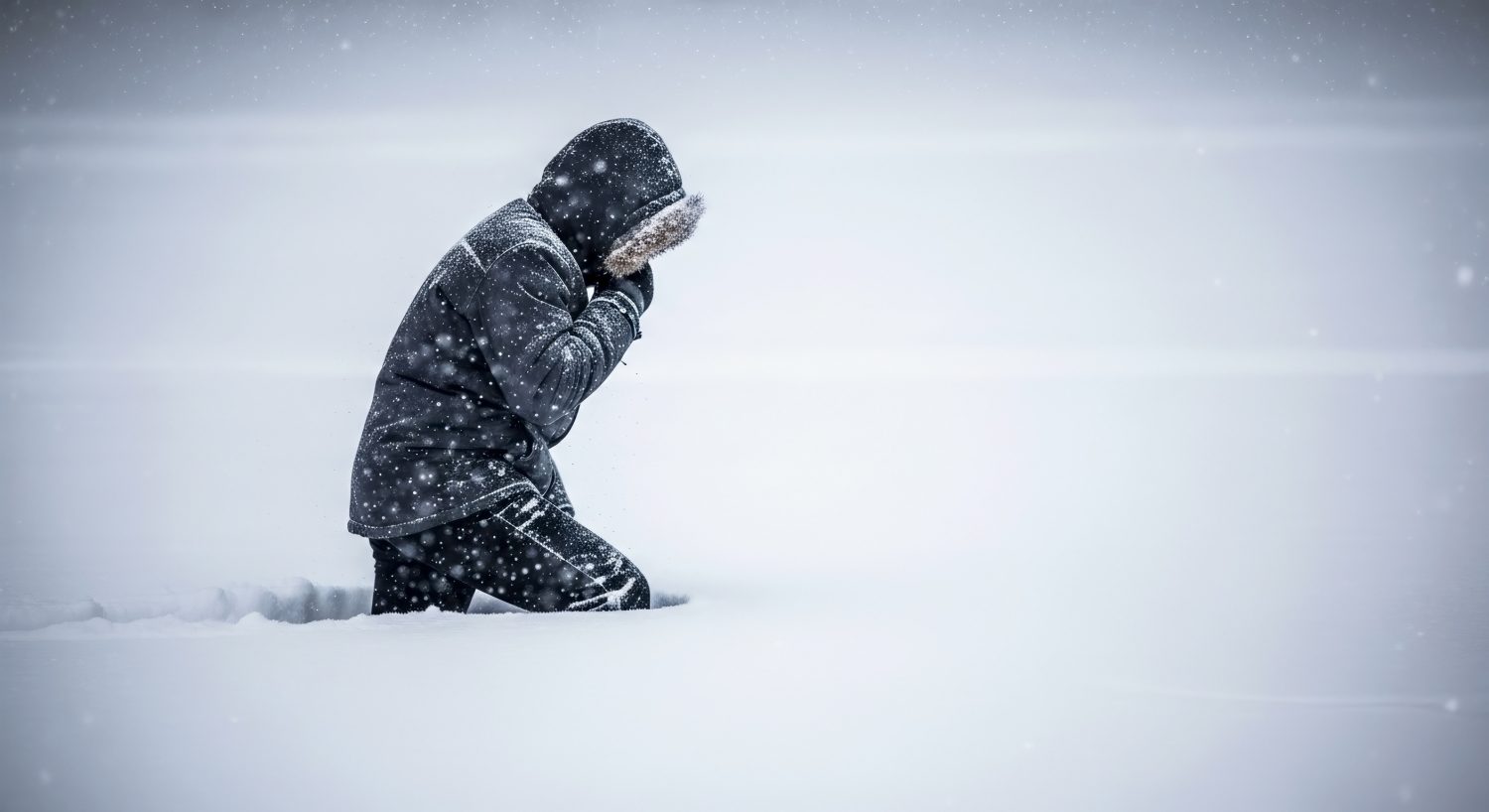
Late last month, a massive winter system named Winter Storm Fern swept across a massive stretch of North America. Ice, heavy snow, and dangerous cold extended from northern Mexico through the southern, central, and northeastern United States and into Canada.
Far and wide, communities experienced conditions commonly associated with northern regions, highlighting the trend toward winter weather is growing more volatile and disruptive.
Why Winter Storms Are Hitting Harder
While winters are becoming shorter and warmer on average in many parts of North America, scientists have been clear that this does not mean gentler storms. A warmer atmosphere holds more moisture, which increases the potential for heavier snowfall and more intense ice events when temperatures dip below freezing.
At the same time, rapid warming in the Arctic is altering the behavior of the jet stream. As temperature differences between the Arctic and lower latitudes shrink, the jet stream can weaken and become more unstable. This allows cold air to plunge farther south and linger longer, setting the stage for severe winter storms in places unaccustomed to them.
The result is a that communities experience unexpected winter weather events that are way more extreme, unpredictable, and more damaging than those of the past.
Other Recent Winter Storms on Record
Winter Storm Fern is part of a broader pattern. Storms such as the Blizzard of 1996 and the Snowmageddon of 2010 showed how extreme winter weather can overwhelm modern infrastructure, resulting in massive economic losses, loss of life, and systemic failures in transportation, energy, and emergency response. In many cases, climate change has intensified these impacts.
How the .earth Domain Tribe is Responding
As winter storms grow more intense, access to accurate data, real-time monitoring, and sustainable response strategies becomes increasingly important. Several members of the .earth domain tribe are helping communities better understand and manage these risks, including:
- Zoom.Earth: Provides interactive snow and precipitation maps that allow users to track storms as they develop and move, helping both individuals and emergency planners visualize impacts in real time. Learn more here.
- SaveOurSnow.Earth: Raises awareness about how climate change is reshaping winter ecosystems and snow dependent communities, particularly in mountain regions. Learn more here.
- BranchCreek.Earth Highlights sustainable snow removal strategies that reduce the environmental damage caused by excessive salt use, offering practical alternatives that protect waterways and infrastructure. Learn more here.
Together, these efforts show that responding to extreme winter weather is not just about reacting after storms hit, but about planning, data transparency, and long-term resilience.
If your organization is working on climate data, disaster preparedness, sustainable infrastructure, or environmental protection, the .earth domain offers a trusted space to share your mission and connect with a global community focused on resilience and accountability.
To learn more about securing your .earth domain, visit Voices.Earth. You can also hear directly from organizations and individuals making an impact in our Voices.Earth podcast series.