Key Takeaways
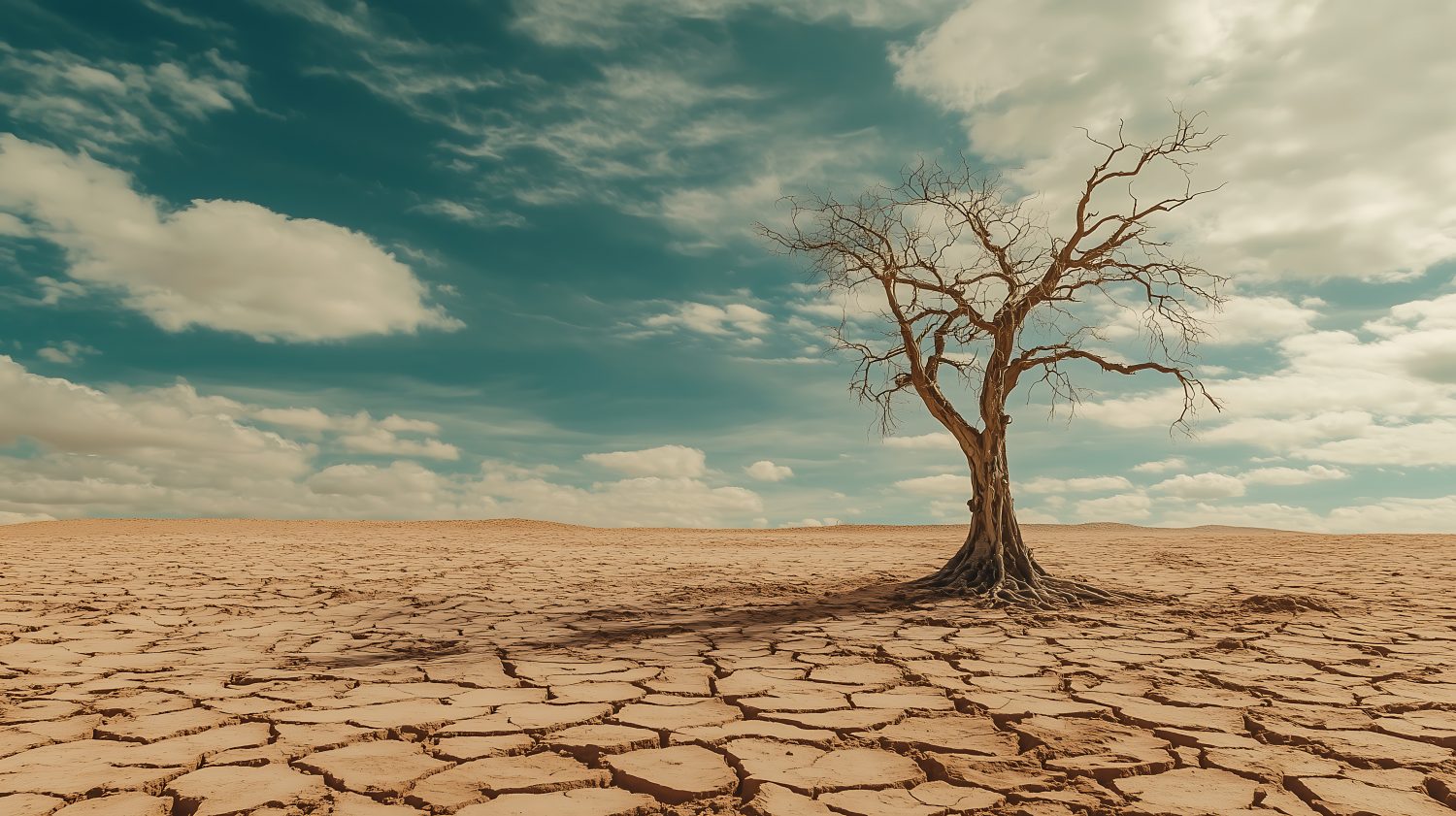
- Droughts are becoming more frequent, prolonged, and severe, driven by rising global temperatures, shifting rainfall patterns, and growing water demand.
- Some of the worst droughts in history caused famine, migration, economic collapse, and even the decline of entire civilizations.
- Scientists increasingly warn that water scarcity is becoming one of the defining climate challenges of the century.
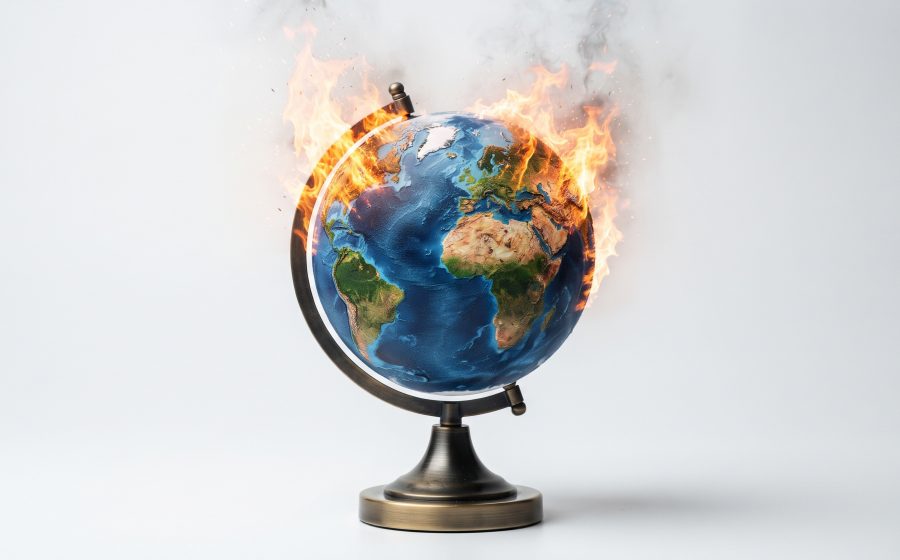
- Today’s growing water crisis is another sign that the Earth system is increasingly out of balance.
A recent Wired article described this summer as the moment America’s water crisis became impossible to ignore. Across parts of the United States, reservoirs are shrinking, drought conditions are intensifying, and communities are facing mounting pressure on already strained water systems.
Unfortunately, these changes are not isolated. All around the world, rising temperatures and shifting weather patterns are increasing the likelihood of prolonged droughts, weakening ecosystems, disrupting agriculture, and placing growing stress on food and water supplies.
History shows just how devastating drought can become when environmental systems fall out of balance.
The Most Devastating Droughts in History
Some of the worst droughts in human history reshaped societies, displaced populations, and altered entire regions for generations.
- North American Dust Bowl (1930s): One of the most infamous environmental disasters in U.S. history, the Dust Bowl combined severe drought with poor land management across the Great Plains. Massive dust storms devastated farms, destroyed livelihoods, and forced widespread migration.
- 1941 Chinese Drought and Famine: A catastrophic drought in Henan province contributed to one of the deadliest famines in modern history, with an estimated three million deaths.
- 16th Century Mexican Megadrought: This prolonged drought during the 1570s caused widespread crop failures, famine, and disease outbreaks, contributing to significant population decline.
- Maya Civilization Drought (750–900 AD): Sustained droughts across Central America are believed to have contributed to the collapse of the Classic Maya civilization.
- Tang Dynasty Droughts: A series of severe droughts during the Tang Dynasty weakened agricultural production and contributed to political instability and societal decline.
Modern Droughts Reflect a Growing Climate Challenge
Drought is not just a historical problem. Many of the most severe droughts have occurred in recent decades.
- 1950s Texas Drought: This prolonged drought devastated agriculture across the Southwestern United States and reshaped water planning across Texas for generations.
- 2011 to 2017 California Drought: One of California’s worst recorded droughts led to severe water restrictions, depleted reservoirs, agricultural losses, and increased wildfire risk.
- 1988 to 1990 North American Drought: This drought caused billions of dollars in agricultural damage across the United States and remains one of the costliest drought events in modern history.
- 2006 to 2008 Southeastern U.S. Drought: Severe drought conditions strained water resources across Georgia and neighboring states, raising concerns about long-term water security.
Why Droughts Are Becoming More Severe
Droughts occur naturally, but climate change is intensifying the conditions that allow them to become more extreme.
Warmer temperatures increase evaporation from soil, rivers, and reservoirs. Changing rainfall patterns can reduce long-term water availability. At the same time, growing populations and rising demand for agriculture and energy place additional pressure on freshwater systems.
In many regions, drought now overlaps with other climate risks, including extreme heat, wildfires, food insecurity, and ecosystem collapse. Together, these forces are creating a future where water scarcity may become one of the defining global challenges of the century.
One Planet. One Domain.
As the Earth Day 2026 campaign continues, the One Planet. One Domain. message is resonating with organizations and communities around the world.
More organizations are recognizing that how they show up online matters. A .earth domain signals purpose, long-term thinking, and alignment with a global community focused on resilience and planetary stewardship.
Registrar Partners Taking Part in the Earth Day 2026 Promotion
A growing number of registrar partners are participating in this year’s Earth Day campaign, including:
- GoDaddy (Global)
- Gonbei Domain (Japan)
- Ledl.net (Europe)
- NETIM.com (Global)
- Openprovider (Global)
- OVH (France/Global)
- OwnRegistrar (Global)
- Porkbun (Global)
- COREHub (Europe)
- CentralNic Reseller (Global)
- Lexsynergy (Global)
- com (US) (Global)
- Realtime Register B.V.
These partners are helping to bring the Earth Day 2026 promotion to a global audience, making it easier for new members of the .earth web domain tribe to secure a domain and align their mission with a trusted digital identity.
As the Earth Day campaign continues, the .earth web domain will continue to support organizations, creators, and communities working to restore balance, build resilience, and shape a more sustainable future.
If your organization is ready to join a global community committed to the planet, now is the perfect moment to join the .earth domain tribe!
To learn more and get started, visit Voices.Earth, and check out the latest Voices.Earth podcast series for inspiring stories from our community.