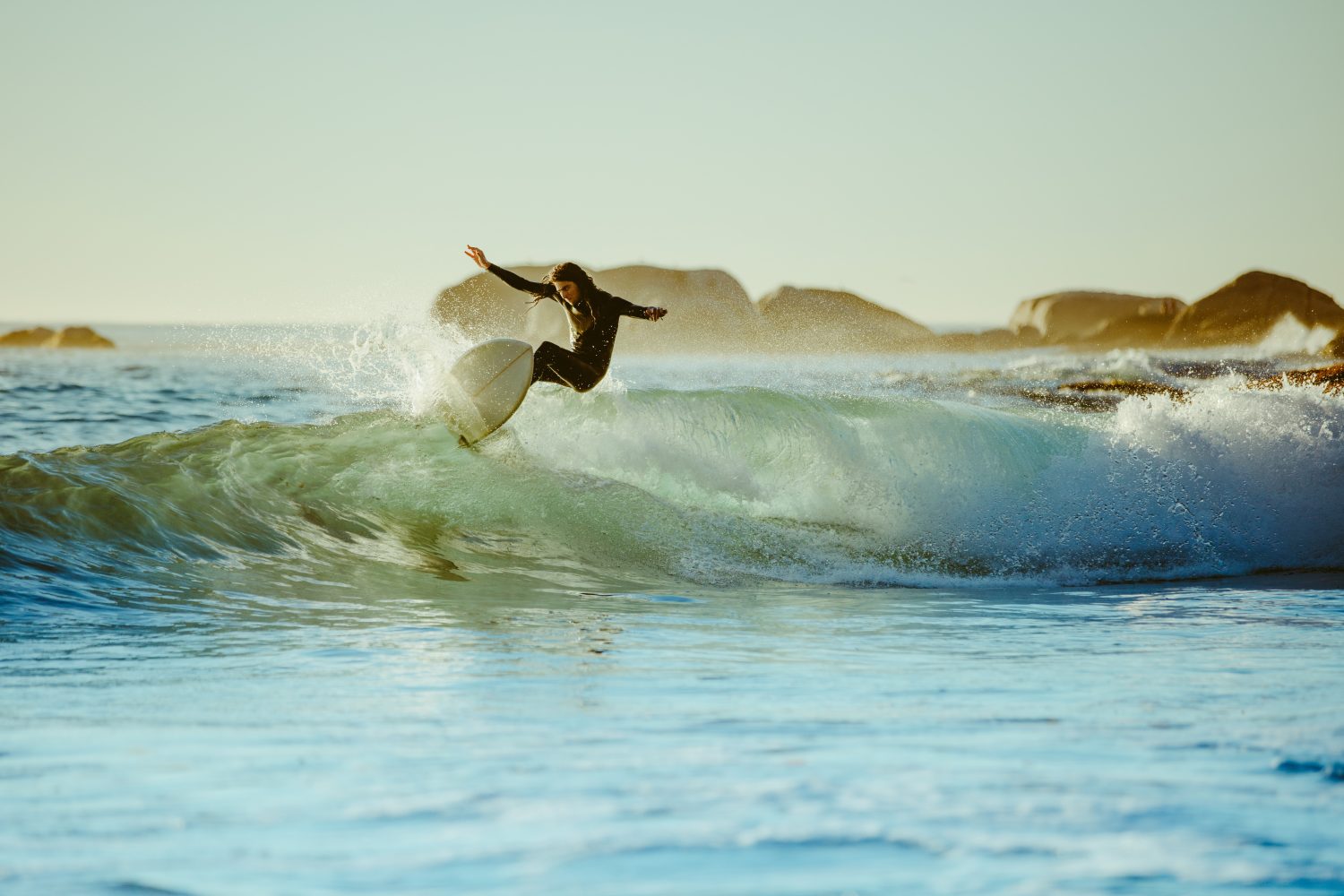
Some of the world’s most celebrated surfing destinations face an uncertain future as rising seas, shifting sands and coastal development threaten the waves that have defined them for generations.
Key Takeaways
- A new study of 57 internationally significant surf breaks found that 79 percent face medium or high risk from sea level rise.
- Famous surfing destinations in Australia, California, England and El Salvador are among those considered particularly vulnerable.
- Rising seas, changing sediment patterns and coastal development can alter the conditions that create world class waves.
- The consequences extend beyond surfing to coastal communities, tourism, local economies and marine ecosystems.
- Members of the .earth domain tribe are promoting ocean conservation, sustainable surfing and greater awareness of environmental threats.
Could Some of the World’s Best Waves Disappear?
For surfers, there are few experiences quite like catching a perfect wave. From the powerful barrels of Croyde in England to the long point breaks of Noosa in Australia, certain stretches of coastline have become legendary for the extraordinary conditions they create.
Now, climate change threatens to alter some of those waves, potentially beyond recognition, as researchers warn that some of the world’s most celebrated surf breaks are increasingly vulnerable.
A new study published in the journal Climatic Change examined 57 internationally significant surf breaks across eight countries. Researchers found that 79 percent face medium or high risk from sea level rise, while 89 percent face medium or high risk associated with shoreline resilience.
The findings, recently highlighted by The Guardian, suggest that some of surfing’s most treasured destinations could experience profound changes as global temperatures and sea levels continue to rise.
We are seeing this play out in real time. This week, powerful surf and unusually high tides associated with Tropical Storm Rachel flooded streets in Newport Beach, California, prompting a local emergency declaration and temporary closures at the famous Wedge surf break.
Why Climate Change Threatens Surf Breaks
The waves that make a surf break famous depend on a delicate combination of ocean swell, tides, seafloor formations and coastal geography. Changes to any of these conditions can affect how a wave forms, breaks and travels toward shore.
Rising sea levels can change the depth of water over reefs and sandbars, while shifting rainfall patterns and coastal erosion can alter the movement of sediment. Seawalls, jetties and other shoreline developments can compound the problem by preventing beaches from naturally adapting to changing conditions.
Researchers identified several particularly vulnerable locations, including Croyde in England, Noosa in Australia, Oriente Salvaje in El Salvador and several reef breaks near Santa Cruz, California.
The study also found that more natural coastlines generally have a greater ability to adapt as shorelines shift and sediments move. Heavily developed coastlines often have fewer options, leaving some surf breaks especially exposed to long-term changes.
The Threat Extends Beyond Surfing
The disappearance or deterioration of a famous surf break can have consequences far beyond the people riding its waves.
Surf tourism supports hotels, restaurants, shops and other businesses in coastal communities around the world. According to Save The Waves Coalition, surfing generates approximately $200 million annually for the Santa Cruz economy alone.
In places where tourism depends heavily on exceptional surfing conditions, changes to those waves could threaten an important source of local income.
The environmental implications are equally significant. Surf breaks are part of larger coastal ecosystems that include beaches, reefs, wetlands and marine habitats. Changes affecting the waves can also signal broader changes to the surrounding shoreline.
Researchers are encouraging greater collaboration among surfers, scientists, conservation organizations and local governments to understand these risks and incorporate surf break protection into coastal planning.
Surfing and Sustainability Across the .Earth Domain Tribe
The surfing community has long had a close relationship with the ocean, and many surfers are actively involved in protecting the coastlines and marine environments they love.
In our 2024 Voices.Earth article, Surfing and Sustainability: Shredding Waves and Healing Our Planet, we highlighted several members of the .earth domain tribe combining their passion for surfing with environmental awareness and action.
These members of the .earth community demonstrate how surfing can inspire environmental action, from reducing plastic pollution and supporting coastal restoration to helping people better understand the natural world.
Can We Save the World’s Great Surf Breaks?
The new research offers a warning about the vulnerability of surf breaks, although it does not suggest that every threatened wave will disappear.
Organizations such as Save The Waves Coalition are working to identify vulnerable locations and encourage coastal planning that accounts for the environmental, cultural and economic importance of surfing.
Some countries have already taken steps to protect surf breaks. Peru has established legal protections for designated waves, while New Zealand recognizes surf breaks of national significance. Australia’s Gold Coast has also incorporated surf protection into its planning framework.
As sea levels continue to rise, protecting these places will require a better understanding of how waves and coastlines respond to environmental change, along with decisions that preserve the natural processes that make these extraordinary surfing destinations possible.
One Planet. One Domain.
For generations, surfing has connected people with the power and beauty of the ocean. The possibility that some of the world’s greatest waves could be permanently altered is another reminder of how deeply climate change is reshaping our planet.
By joining the .earth domain tribe, surfers, environmental organizations and businesses can add their voices to a global community working to protect our oceans, coastlines and natural world.
To learn more and get started, visit Voices.Earth, and check out the latest Voices.Earth podcast series for inspiring stories from our community.