We often talk about climate change in terms of rising temperatures, extreme weather, and melting ice. But new research is pointing to something even more fundamental. Climate change is now altering the speed at which the Earth spins.
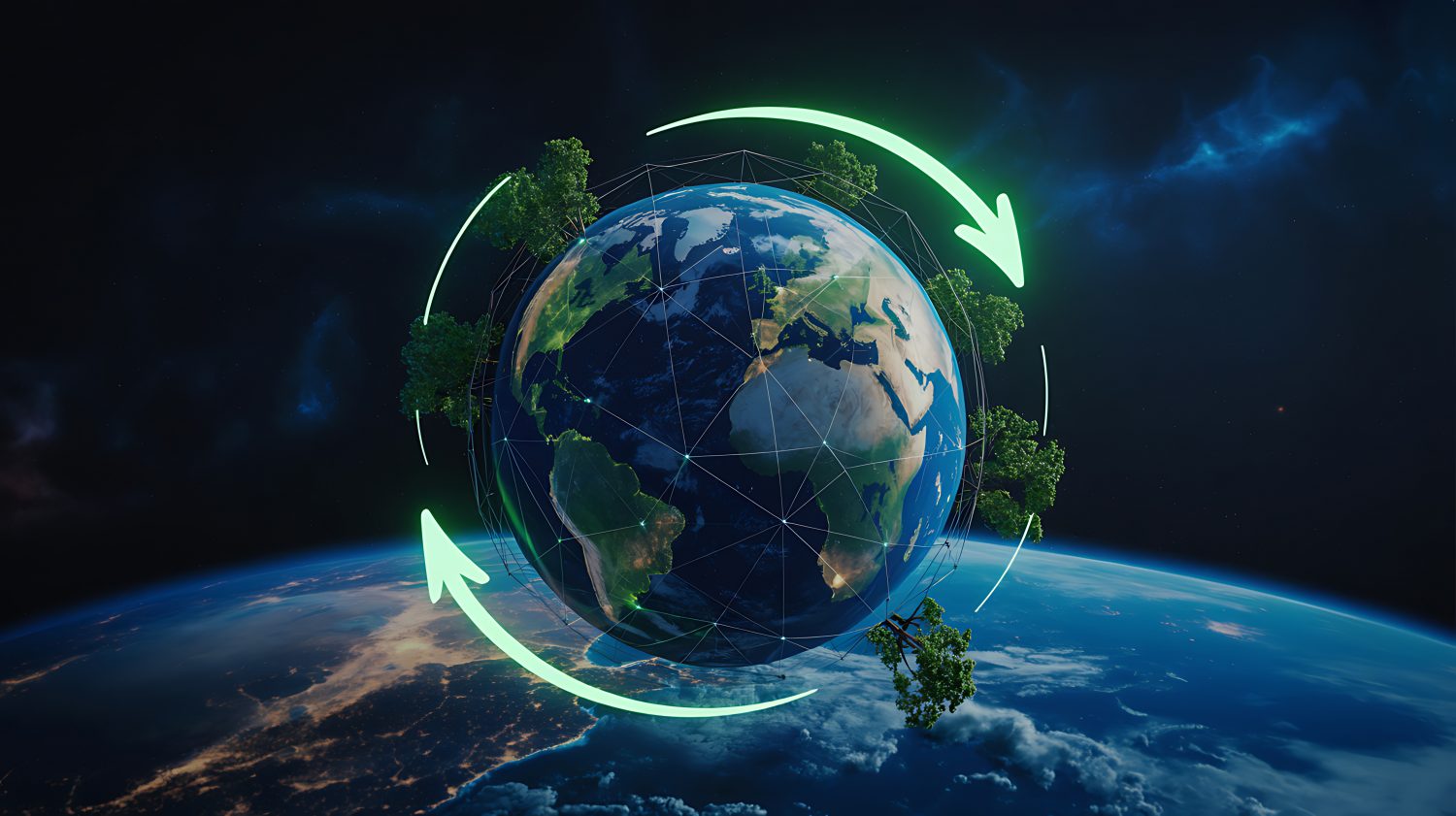
According to recent findings, human driven climate change is slowing the planet’s rotation at a rate not seen in at least 3.6 million years. As polar ice melts and water redistributes across the globe, it is physically changing how mass is distributed on Earth.
As a result, the days are getting longer.
How Climate Change Is Affecting Time
At first glance, the idea sounds almost too out there. However, the science behind it is straightforward, and yes, time is being affected.
As ice sheets and glaciers melt, the water flows toward the equator, and this shifts Earth’s mass outward. Think of this like a spinning figure skater extending their arms, which causes the rotation to slow down. In terms of our planet, scientists estimate that this process is lengthening the day by about 1.33 milliseconds per century, a small change in human terms but a significant shift in planetary behavior.
What makes this moment notable is not just the change itself, but the pace. The current rate of slowdown is unprecedented in the geological record of the last several million years.
A Signal of Something Larger
The reality is that no one will notice an extra millisecond in their daily routine, but this is not really the point.
The big takeaway is that is that climate change is no longer just influencing ecosystems or weather patterns. It is affecting the physical systems of the planet at a planetary scale, including processes that govern time itself. This reinforces a broader truth that scientists have been emphasizing for years. Earth is not a collection of isolated systems. It is a deeply interconnected whole.
Changes in ice sheets affect sea levels, and sea levels affect planetary mass distribution. That distribution affects rotation, and rotation impacts timekeeping systems that modern society depends on, from GPS to financial networks.
One Planet. One Domain.
As we approach Earth Day 2026, our theme is One Planet. One Domain, which reflects that interconnected reality.
There is no separating climate, technology, ecosystems, or human systems. The same forces that are melting ice are also reshaping coastlines, intensifying storms, and now even influencing the length of our days.
We explored a similar idea in a recent post that highlighted the simple but urgent truth that Earth is humanity’s only viable home. The latest research only deepens that message. There is no external system to rely on, no backup planet waiting nearby, and no way to isolate ourselves from the consequences of planetary change.
We also continue to see warning signs across the system, from approaching climate tipping points to the growing number of extreme climate events shaping 2026.
Across the .earth web domain, more than 40,000 organizations and individuals are working to address these challenges from every angle. They are advancing science, building technology, protecting ecosystems, and sharing knowledge in ways that reflect the interconnected nature of the planet itself.
The .earth web domain is not just a digital space, but a signal of purpose. It tells the world that your work is connected to something larger, and that you are part of a global community focused on protecting the systems that sustain us.
Stay tuned for more details around our Earth Day 2026 pricing promotion. To learn more about securing your .earth domain, visit Voices.Earth. You can also hear directly from organizations and individuals making an impact in our Voices.Earth podcast series.